Category: Parenting & Adolescence

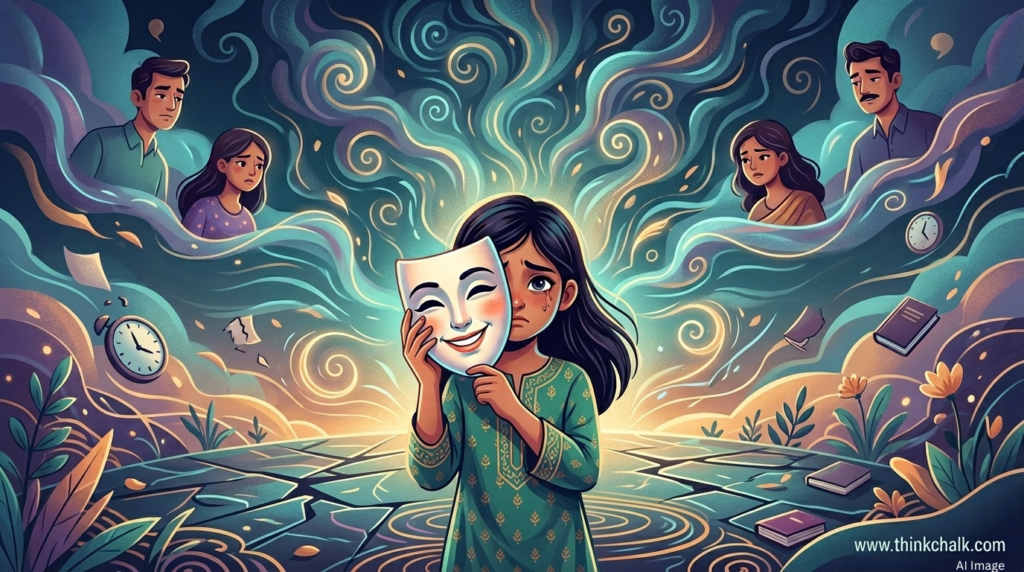
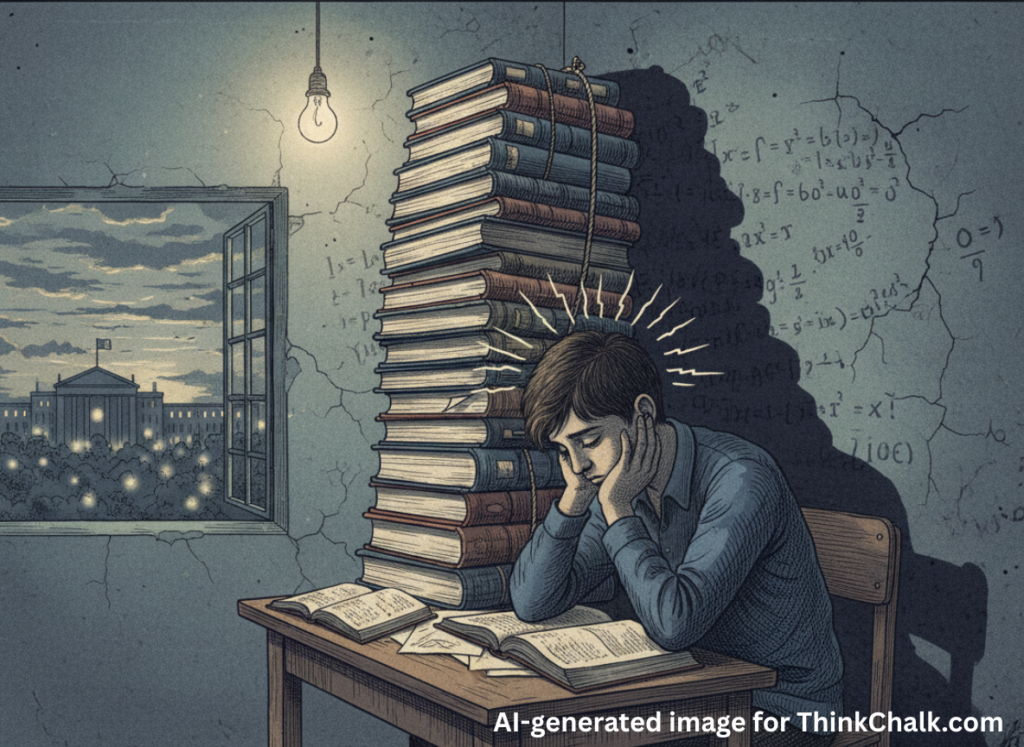
“She Seems Fine” The Most Dangerous Phrase in Pakistani Parenting

What a 2016 American film reveals about the quiet crisis that Pakistani parents are trained not to see.

I was watching The Edge of Seventeen one evening, a 2016 American coming-of-age film that had been sitting in my watchlist far longer than I care to admit. About twenty minutes in, something clicked. Not in the way a good film entertains you. In the way a good film makes you sit up and think about someone you have not thought about in months.

I found myself thinking about a girl I had worked with two years ago. I will call her Aisha.

Aisha was seventeen, in her final year of school, and predicted strong grades. Her teachers described her as hardworking. Her parents used the words parents always use for teenagers who are not obviously struggling: “woh theek hai” (she is fine). She participated in class. She submitted her assignments on time. She smiled when she smiled at.

She was also falling apart, quietly, in a way that none of the adults around her had any language for including her.

By the time the film ended, I understood exactly why it had clicked.

Continue reading ““She Seems Fine” The Most Dangerous Phrase in Pakistani Parenting”

The Mirror in the Palm of Their Hand

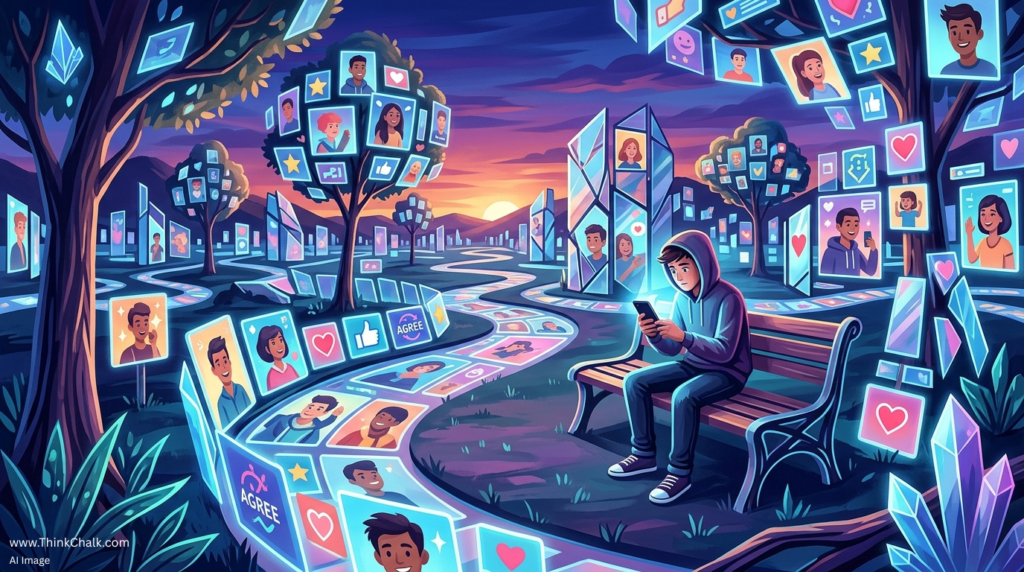
What happens to a teenager’s identity when no one, not even their technology, ever disagrees with them?

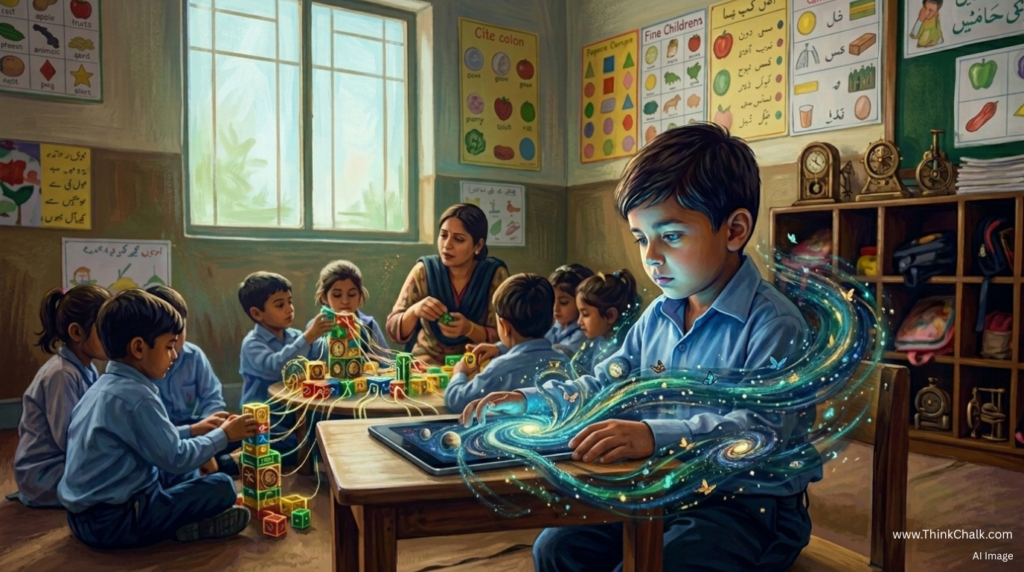
I was running a session with a group of sixteen and seventeen-year-olds at a Karachi school last term. We were talking about AI, how it works, how they use it, and what they tell it. At some point, almost without thinking, I asked a question I hadn’t planned.

“How many of you have ever disagreed with your AI? Like, actually pushed back on something it said?”

Silence. A few uncertain looks around the room. Then, slowly, one hand.

“Sir, maine ek baar try kiya tha, but it just agreed with me anyway.” (Sir, I tried it once, but it just agreed with me anyway.)

The room laughed. I laughed too. But on the drive home, the less funny it seemed.

Continue reading “The Mirror in the Palm of Their Hand”

The Loneliest Generation: Why Pakistani Teenagers Feel Alone in a Connected World

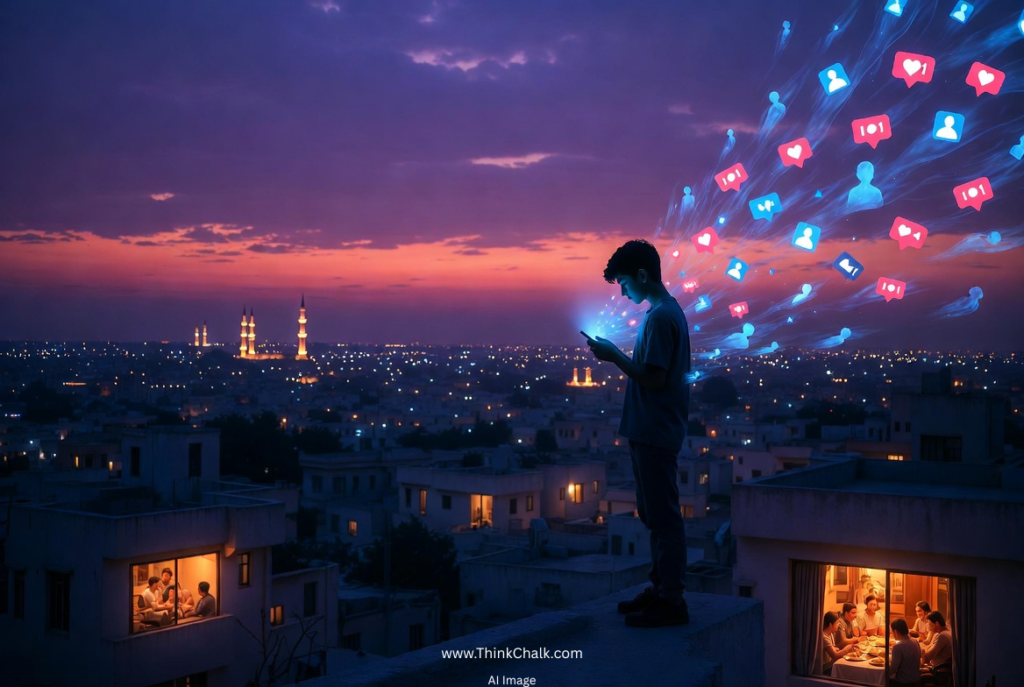
Being seen online is not the same as being known at home.

I remember sitting in a parent workshop in Karachi last year when a father raised his hand and said something I have not been able to forget.

“Sir, mera beta ghar mein rehte hue bhi ghar mein nahin hota.” (“Sir, my son lives in our home, but he is never really there.”)

He wasn’t talking about physical absence. His son was in the next room, phone in hand, surrounded by voices from a screen. The father hadn’t lost him to rebellion or bad company. He had lost him to something quieter. A distance with no name. A kind of presence that isn’t really there.

His son has hundreds of followers. He posts. He scrolls. He replies. But when was the last time anyone, including the people who love him most, asked him something real?

He has 847 followers. He came home from school today and didn’t speak to a single person he trusts. That’s not a connection. That’s performance.

Continue reading “The Loneliest Generation: Why Pakistani Teenagers Feel Alone in a Connected World”

Is Your Teenager Dating an AI?

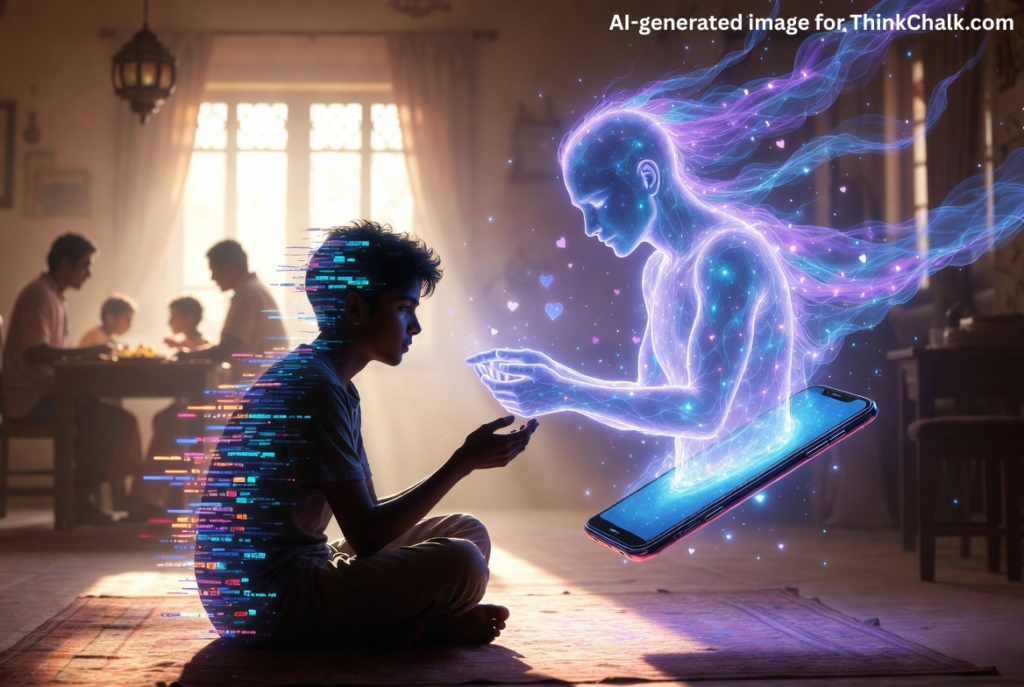
When emotional connection moves from home to a chatbot, what are we really missing at home?

A few weeks ago, a parent came to me after my class. She was not panicking. She was confused.

“Sir, mene mere bete ka phone check kiya toh usne kisi se ghanton baat ki thi. Phir pata chala… koi insaan hi nahin tha.” (Sir, I checked my son’s phone and saw he had been talking to someone for hours. Then I found out… it wasn’t a person at all.)

Her son, seventeen, O-Levels, quiet at home, had been spending two to three hours every evening in deep conversation with an AI chatbot. Not for homework. Not for any school project. He was sharing how lonely he felt. How he felt misunderstood. How he wished someone at home would ask him something other than “padhai kaisi chal rahi hai?” (How is your studying going?)

The chatbot had been listening.

Continue reading “Is Your Teenager Dating an AI?”

Young Lives, Heavy Pressure: Listening to What Our Students Are Carrying

Trigger warning: this post discusses suicide and self-harm. If you or someone you know is in immediate danger, contact local emergency services or a mental health helpline immediately. In Pakistan, national helplines and crisis support services are available to offer confidential support.

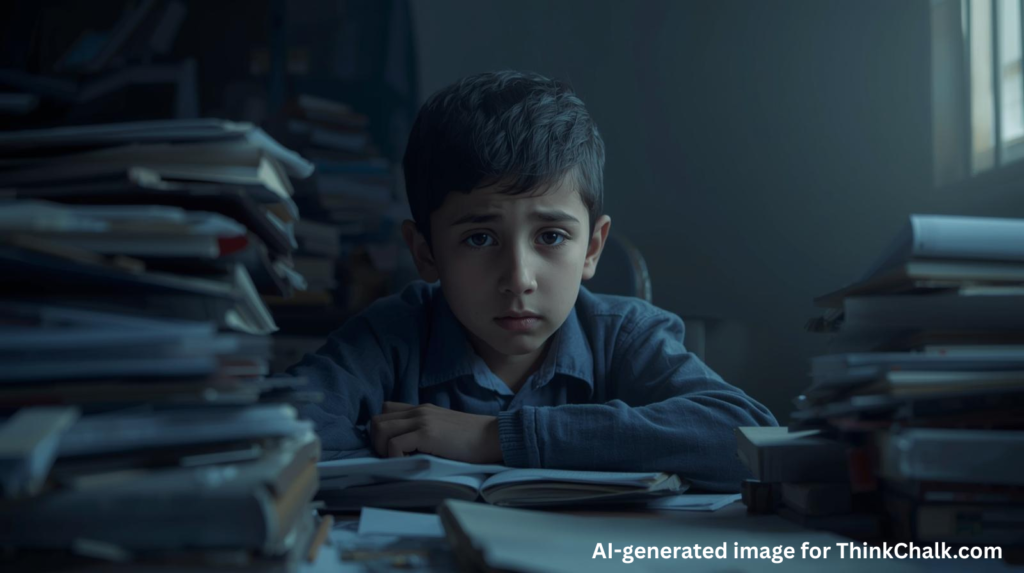
In recent months, we have seen a painful pattern repeating itself across Punjab: university students, bright, young people who should be building futures, are taking desperate steps or attempting to take their lives. These are not isolated tragedies; they are a mirror reflecting pressures that many families do not see clearly until it is too late. Recent reporting from Lahore and elsewhere has linked some of these incidents to academic pressure, failed relationships, and family conflicts, and universities and families alike are asking hard questions about what went wrong. (The Express Tribune, AAJ TV)

As a parent, it is natural to react with shock and guilt: ‘Kiya mein jaan sakta tha? Kiya mein pehlay qadam utha sakta tha? (Could I have known? Could I have acted sooner?) Those are painful but familiar questions. We also need to step back and look more critically at the systems surrounding our children, at what we ask of them, what schools expect, and how families respond when a child shows signs of pain. This is not about assigning blame to any single person. It’s about noticing patterns and changing them.

Continue reading “Young Lives, Heavy Pressure: Listening to What Our Students Are Carrying”

Mental Health Is Not “Drama”: Why Does Even “Strong Bachay” Need Support

Understanding Stress, Anxiety & Burnout in Our Pakistani Children: A Quiet Moment, Many Parents Will Recognise

In many Pakistani homes, the value of strength is instilled from an early age.

Rona nahin – Don’t Cry
Strong bano – Be Strong
Sab theek ho jata hai – Everything will be fine

These words are usually said with love. Parents want their children to thrive in a challenging world. But sometimes, without realising it, these same words send another message: Your feelings are not important.

When a child says, I’m tired, and we reply, Yeh koi baat hoti hai?

When a teenager says, Mujh se aur nahin ho raha, and we say, Drama band karo.

That is where the silence begins.

Continue reading “Mental Health Is Not “Drama”: Why Does Even “Strong Bachay” Need Support”

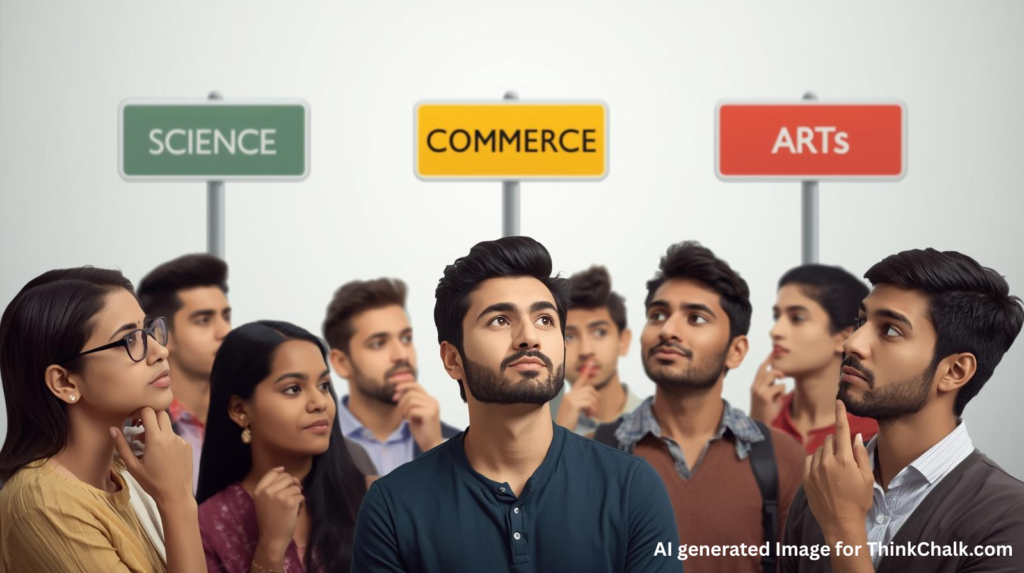
Career Confusion: Science, Commerce, Arts or “Bas jo mile”

Why teens feel lost about subject choices, fear disappointing parents, and struggle to see value beyond “doctor, engineer, CSS.”

Choosing subjects after middle school is one of those small crossroads that feels enormous when you’re living it, both for the child and the parents. In Pakistan, that crossroad often looks like a short menu: Science (pre-med/pre-engineering), Commerce (business/accounting), Arts (humanities/social sciences), or “Bas jo mile”, take whatever seat opens up. Why does a 14- or 15-year-old face such pressure and confusion? Let’s unpack the feelings behind the choices and offer a kind, practical way forward for parents and families.

Continue reading “Career Confusion: Science, Commerce, Arts or “Bas jo mile””