Category: Education in Pakistan

Teaching Teenagers in the Age of AI: Are We Preparing Teachers for What Classrooms Are Becoming?

From AI use to classroom practice, what teachers need to navigate changing learning realities in Pakistan

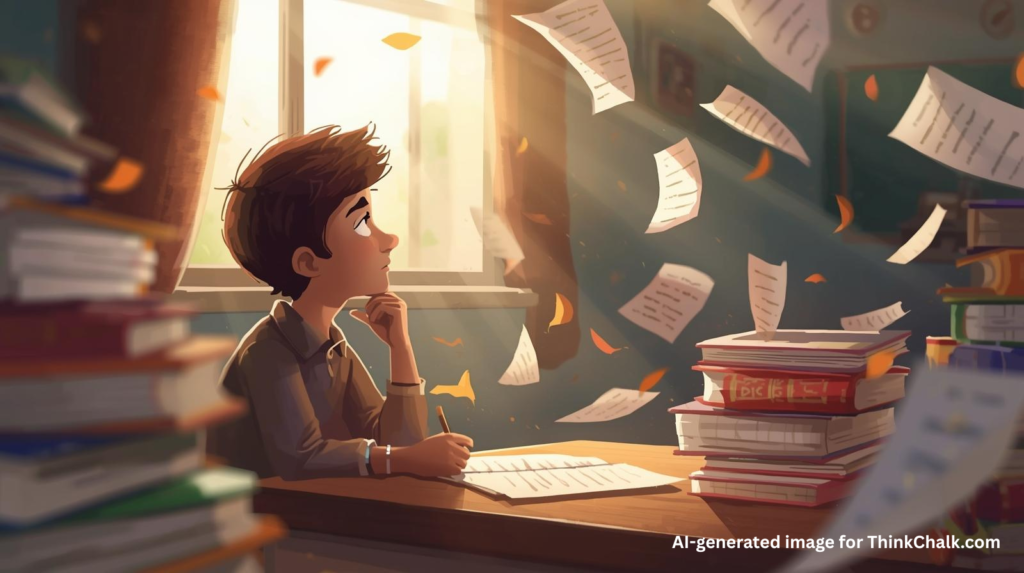
A few weeks ago, during a classroom discussion, a teacher said something that has stayed with me:

‘I know my students are using AI. I just don’t know what I am supposed to do about it.’

It was not frustration. It was not excitement either. It was something in between a quiet uncertainty.

‘Samajh aa raha hai ke kuch change ho raha hai… lekin kya karna hai, yeh clear nahi hai.’ (I can sense something is changing… but I’m not sure how to respond.)

And perhaps this is where many teachers are today.

A Classroom That Is Changing Quietly

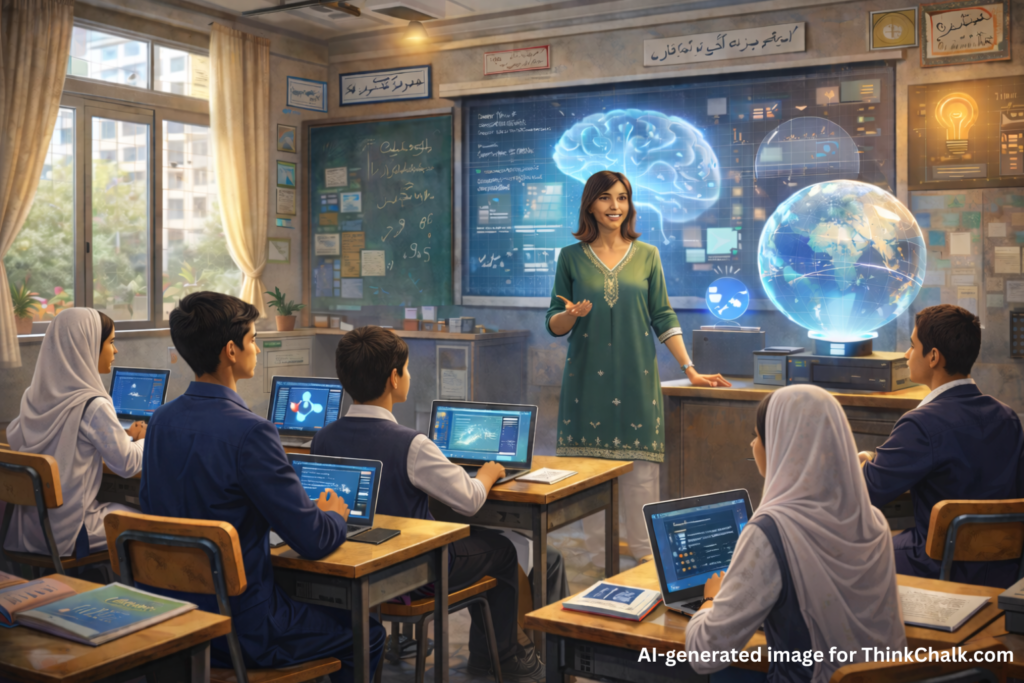
In many secondary classrooms, AI is already present. Not as a formal school initiative. But as something students are exploring on their own.

They are:

  • generating answers quickly,
  • completing assignments differently,
  • relying less on struggle and more on instant support.

This shift is subtle. It does not always disrupt the classroom visibly. But it is changing how students experience effort, thinking, and learning.

Teachers feel this change even when it is not openly discussed.

Continue reading “Teaching Teenagers in the Age of AI: Are We Preparing Teachers for What Classrooms Are Becoming?”

Why Do Some Lessons Stay with Us and Others Disappear After Exams?

Rethinking Learning in our classrooms through Made to Stick

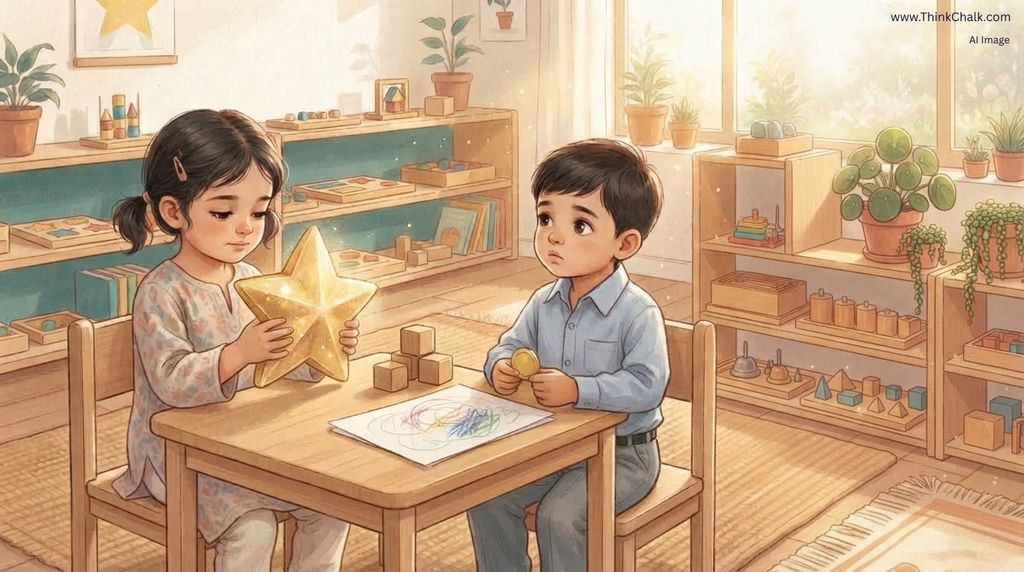
Recently, I revisited Made to Stick by Chip Heath and Dan Heath, and one idea hit close to home for our classrooms in Pakistan, the Curse of Knowledge.

Once we know something, we forget what it felt like not to know it. And that’s where communication often breaks down.

In many of our classrooms, teachers explain concepts from an expert’s perspective, while students are still trying to understand the basics. The result? Students memorise, pass exams, and then forget everything.

The book reminds us that ideas stick when they are:

  • Simple
  • Unexpected
  • Concrete
  • Credible
  • Emotional
  • Story-driven

And when we look honestly at our classrooms, we must ask: How many of our lessons are actually designed to stick?

Because if learning disappears after exams, then something in the system needs to be rethought.

Continue reading “Why Do Some Lessons Stay with Us and Others Disappear After Exams?”

Why Do Teens Leave School? A Simple Reflection on Gender, Culture & Education in Pakistan

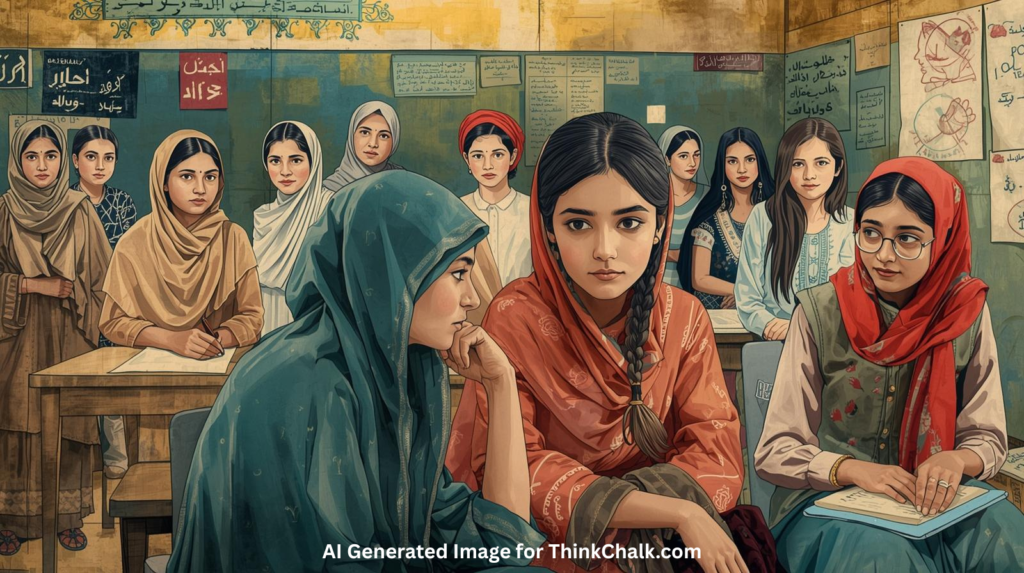
Every child deserves to learn with confidence, feel safe while travelling to school, and dream about a bright future. But for many teenagers in Pakistan, especially girls living in rural areas, staying in school becomes more challenging as they grow older. When a girl drops out, her education doesn’t just pause; her opportunities, independence, and future possibilities shrink with it.

In this reflective piece, I aim to explore why many adolescent girls drop out of school and how parents, teachers, and communities can collaborate to support their continued learning.

What the numbers show and what families feel

Research from the World Bank highlights that girls in rural Pakistan face the highest dropout rates due to poverty, early marriage, unsafe travel, and lack of school facilities. Challenges and Solutions for Girls’ Education in Pakistan.

Continue reading “Why Do Teens Leave School? A Simple Reflection on Gender, Culture & Education in Pakistan”

AI, School Stress, and the New Classroom: How Technology Is Reshaping Education in Pakistan

AI Generted Image for Think Chalk blog

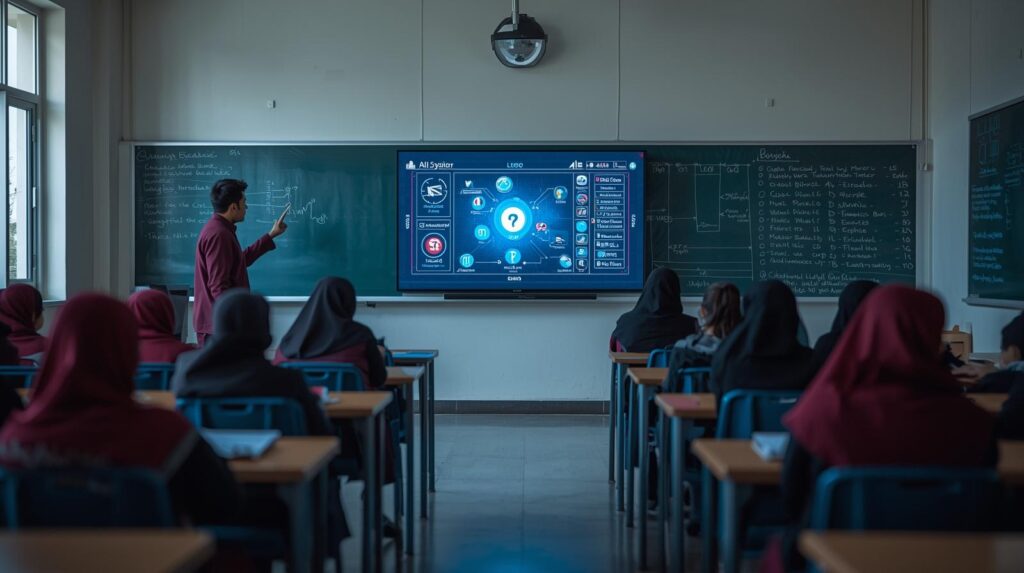
In the winding corridors of our schools, whether in Karachi, Lahore, or a remote village in Sindh or Balochistan, echoes of chalk on slate and the crack of old benches still dominate the classroom. As a teacher-mentor, I often reflect on the immense pressures our children face: cramming for board exams, rote learning, large class sizes, and limited time with overworked teachers. Now, as artificial intelligence (AI) begins to infiltrate global classrooms, the question arises: Could AI transform education in Pakistan and if so, how?

In this article, I explore the promise and the perils of AI in Pakistani schools. I try to see it through the eyes of concerned parents, busy teachers, and hopeful students, rooted in South Asian realities.

Continue reading “AI, School Stress, and the New Classroom: How Technology Is Reshaping Education in Pakistan”