Tag: AI in Education

Nobody Asked Her What She Thought of the Answer

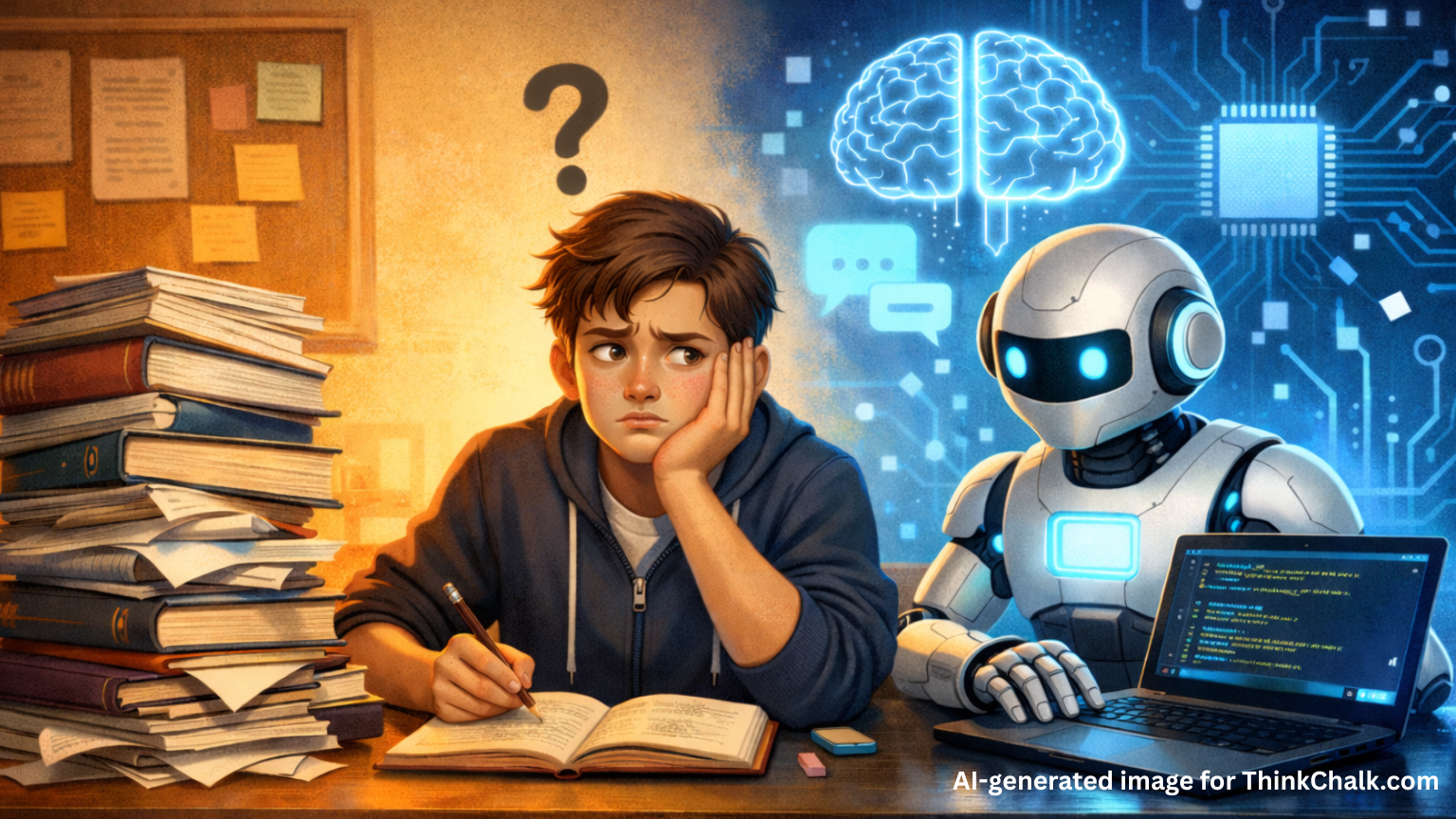
What a youth camp in Garam Chashma revealed about the real AI divide, and it isn’t the one we keep talking about.

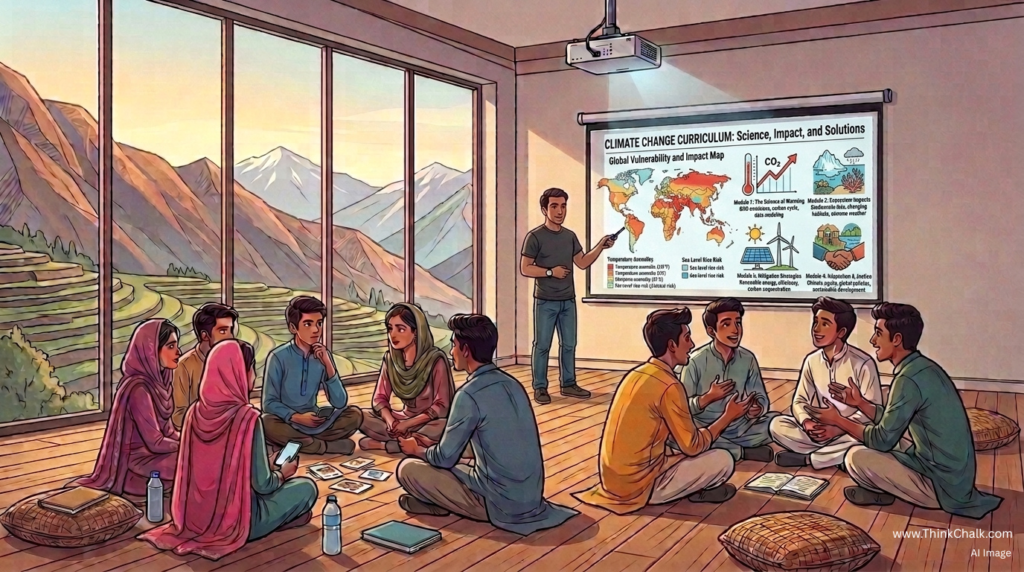
I spent twenty days this summer running youth camps in Garam Chashma, Chitral, with students aged fourteen to twenty. I went in expecting to talk a lot about access bandwidth, devices, career goals, challenges and the usual checklist for a remote valley like this one.

A girl finished a camp assignment task on her phone in about 2 minutes. She had asked an AI tool for the answer, copied it, and was ready to move on. I asked her a simple question: what did she think of the answer it gave her?

She looked at me, genuinely puzzled. “Sir, theek tha” (Sir, it was fine), she said, and waited for the next question, not because she couldn’t think harder about it, but because no one had ever asked her to.

Continue reading “Nobody Asked Her What She Thought of the Answer”
Teaching Teenagers in the Age of AI: Are We Preparing Teachers for What Classrooms Are Becoming?

From AI use to classroom practice, what teachers need to navigate changing learning realities in Pakistan

A few weeks ago, during a classroom discussion, a teacher said something that has stayed with me:

‘I know my students are using AI. I just don’t know what I am supposed to do about it.’

It was not frustration. It was not excitement either. It was something in between a quiet uncertainty.

‘Samajh aa raha hai ke kuch change ho raha hai… lekin kya karna hai, yeh clear nahi hai.’ (I can sense something is changing… but I’m not sure how to respond.)

And perhaps this is where many teachers are today.

A Classroom That Is Changing Quietly

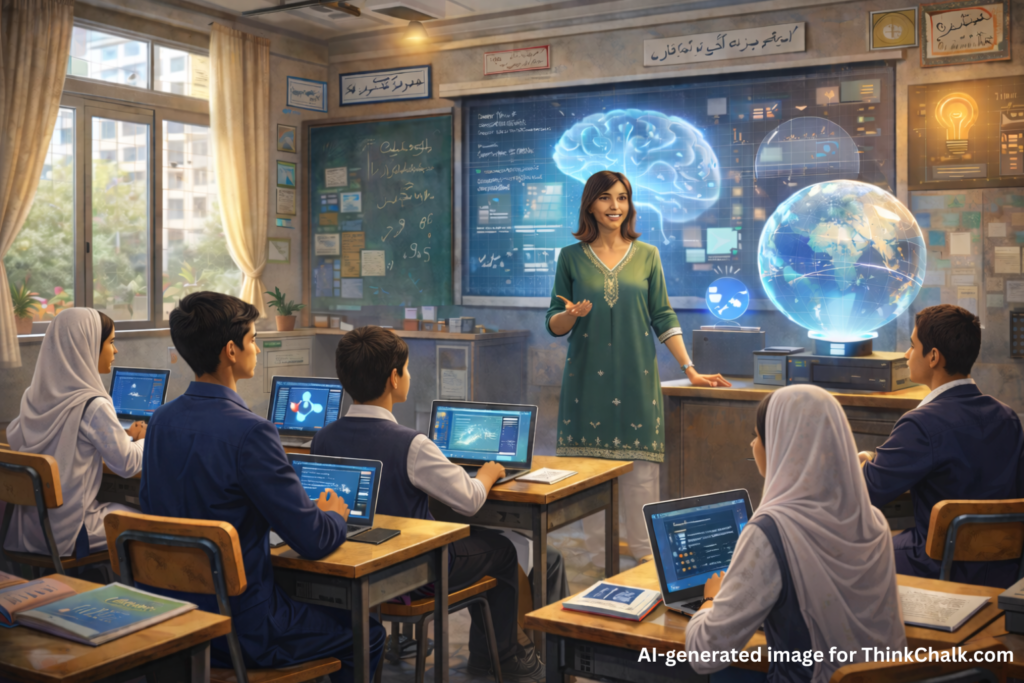
In many secondary classrooms, AI is already present. Not as a formal school initiative. But as something students are exploring on their own.

They are:

  • generating answers quickly,
  • completing assignments differently,
  • relying less on struggle and more on instant support.

This shift is subtle. It does not always disrupt the classroom visibly. But it is changing how students experience effort, thinking, and learning.

Teachers feel this change even when it is not openly discussed.

Continue reading “Teaching Teenagers in the Age of AI: Are We Preparing Teachers for What Classrooms Are Becoming?”

Teenagers in the Age of AI: Learning, Privacy, and the Future They Are Entering

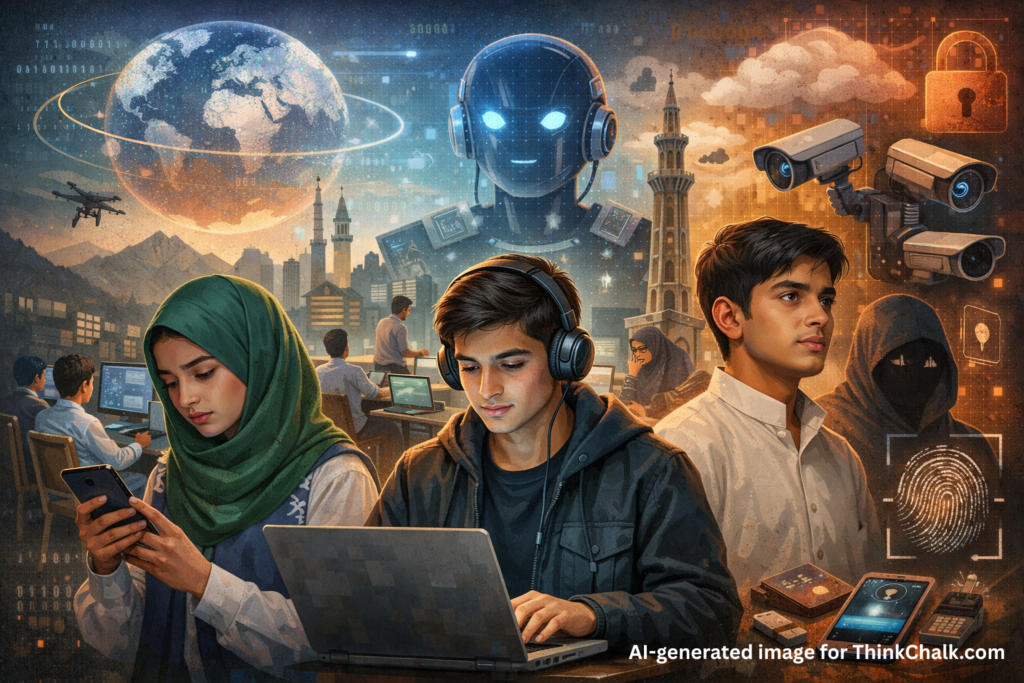
From global AI shifts to data risks and digital identity, what does this mean for adolescents and classrooms in Pakistan?

Teenagers today are growing up with artificial intelligence not as a future concept, but as part of their everyday learning experience.

From generating homework answers to asking complex questions, many students are already interacting with AI tools in ways that were unimaginable just a few years ago. For them, AI is not something new, it is simply part of how learning now happens.

Yet while the use of AI is increasing rapidly, the understanding of its implications is not growing at the same pace. This raises an important question for education: Are we preparing teenagers to use AI tools, or to understand the world they are entering through AI?

Continue reading “Teenagers in the Age of AI: Learning, Privacy, and the Future They Are Entering”

Homework in the Age of AI: Does It Still Make Sense?

Reflective classroom perspective + practical ways forward

In recent classroom visits and conversations with teachers I mentor, a pattern keeps emerging. Students in secondary classes are handing in homework that looks complete and correct. Yet when teachers try to discuss that homework in class the next day, many students struggle to explain what they actually understand.

At first glance, it seems like homework is working; notebooks look good, and assignments are done on time. But the deeper question is: Are students really learning?

Many students now admit that homework, which once took an hour, can be finished in minutes using AI tools on their phones. This pressure to “get work done fast” is creating a new classroom reality. Teachers are unsure how to respond. Parents are relieved homework is done, but can’t tell whether real learning is happening.

This situation has made me reflect deeply:
If homework is getting completed but understanding is not growing, does traditional homework still serve its purpose in today’s secondary classrooms?

Continue reading “Homework in the Age of AI: Does It Still Make Sense?”